"Dealing with an upset stomach, bloating, or nausea? Before reaching for over-the-counter medications, there's a simple remedy sitting in your kitchen." Ginger helps speed up stomach emptying, reduces inflammation, eases nausea also work best for digestion (contains gingerol and shogaol, which have anti-inflammatory properties and help stimulate digestive enzymes)
"While ginger tea is generally safe, consult your healthcare provider if you're pregnant, taking blood thinners, or have a medical condition"
We've all been there—that uncomfortable feeling of bloating after a meal, persistent nausea that won't quit, or an upset stomach that disrupts your entire day. Before reaching for over-the-counter antacids or medications, there's a powerful natural remedy that's probably already sitting in your kitchen: fresh ginger.
Ginger has been used for thousands of years across cultures to soothe digestive complaints, and modern research backs up what traditional healers have long known. The active compounds in ginger, particularly gingerol and shogaol, work to calm inflammation in your digestive tract, stimulate the production of digestive enzymes, and help your stomach process food more efficiently. Whether you're dealing with occasional indigestion, morning sickness, or just want to support your digestive health naturally, ginger tea is one of the simplest and most effective remedies you can make at home.
In this guide, I'll walk you through exactly how to make ginger tea for digestive relief—from selecting and preparing fresh ginger to brewing the perfect cup. You'll learn the ideal steeping time for maximum benefits, discover tasty variations to suit your preferences, and understand when and how much to drink for the best results. Best of all, you can make this soothing tea in just 15 minutes with ingredients you likely already have on hand.

Why Ginger Tea Works for Digestion
Ginger isn't just a flavorful spice—it's a powerhouse of natural compounds that directly support your digestive system. The two main active ingredients, gingerol and shogaol, are responsible for ginger's distinctive spicy taste and its remarkable digestive benefits.
These compounds work in several important ways. First, they help speed up gastric emptying, which means food moves from your stomach to your small intestine more efficiently. This can significantly reduce that heavy, bloated feeling you sometimes get after eating. Second, ginger stimulates the production of digestive enzymes and bile, helping your body break down food more effectively. Third, its natural anti-inflammatory properties calm irritation in the gastrointestinal tract, which is why it's particularly effective for nausea and stomach upset.
Research has shown ginger to be especially helpful for morning sickness during pregnancy, motion sickness, post-surgical nausea, and general indigestion. Many people also find it relieves gas, bloating, and even symptoms of irritable bowel syndrome when consumed regularly.
Important Safety Note: While ginger tea is generally safe for most people, it's not suitable for everyone. If you're pregnant, taking blood thinners or diabetes medication, or have a gallbladder condition, consult your healthcare provider before adding ginger tea to your routine. Some people may experience mild heartburn if they consume too much ginger, so it's best to start with small amounts and see how your body responds.
What You'll Need
The beauty of ginger tea is its simplicity. You only need a handful of basic ingredients and kitchen tools you probably already have.
Ingredients:
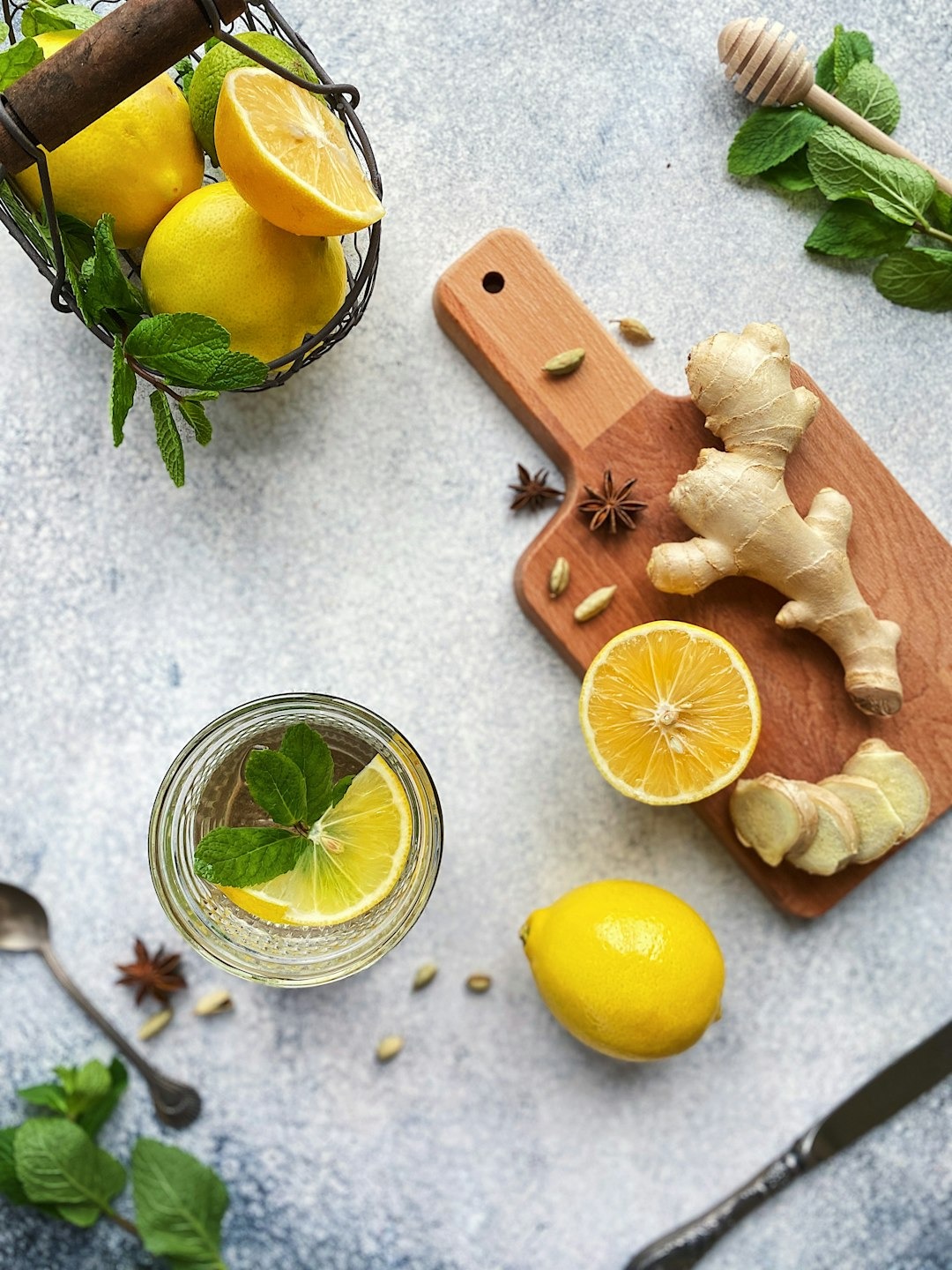
- Fresh ginger root (1 to 2-inch piece) - Look for firm ginger with smooth, tight skin at your grocery store. Fresh ginger provides the most potent digestive benefits. If you only have dried ginger powder, you can use 1 teaspoon as a substitute, though the flavor will be slightly different.
- Water (2 cups) - Filtered water gives the cleanest taste, but tap water works perfectly fine.
- Optional add-ins:
- Raw honey (1-2 teaspoons) - Adds natural sweetness and has its own soothing properties for your digestive tract
- Fresh lemon juice (1-2 teaspoons) - Enhances flavor and adds vitamin C, plus lemon also aids digestion
- Fresh mint leaves (a small handful) - Provides cooling relief and complements ginger's warmth
Equipment:
- Sharp knife and cutting board
- Vegetable peeler (optional, for peeling ginger)
- Small pot or saucepan
- Fine mesh strainer or tea strainer
- Your favorite mug
- Grater (optional, if you prefer grated ginger for a stronger tea)
That's it! With these simple items, you'll be ready to brew your first batch of digestive-soothing ginger tea in just a few minutes.
Step-by-Step Instructions
Now let's walk through the simple process of making your ginger tea. The entire process takes about 15-20 minutes from start to finish.
Step 1: Prepare the Ginger
Start by washing your ginger root under cool running water to remove any dirt. If your ginger isn't organic, use a vegetable peeler or the edge of a spoon to gently scrape off the thin skin. For organic ginger, you can leave the skin on if you prefer—it contains beneficial nutrients too.
Next, slice the ginger into thin rounds, about the thickness of a coin. Thinner slices will create a milder tea, while thicker pieces yield a gentler flavor. If you want a stronger, more potent tea, grate the ginger instead using a fine grater or microplane. Grated ginger releases more of its essential oils and active compounds into the water.
Step 2: Boil the Water
Pour 2 cups of water into your small pot or saucepan and place it on the stove over high heat. Bring the water to a rolling boil. This should take about 3-5 minutes depending on your stove.
Step 3: Add Ginger and Simmer
Once the water is boiling, add your prepared ginger slices or grated ginger to the pot. Immediately reduce the heat to low or medium-low so the water maintains a gentle simmer rather than a vigorous boil. Boiling too aggressively can break down some of ginger's beneficial compounds.
Let the ginger simmer for 10-15 minutes. You'll notice the water gradually turning a beautiful golden or amber color, and your kitchen will fill with ginger's warm, spicy aroma. For a milder tea, simmer for 10 minutes. For a stronger, more therapeutic brew, go for the full 15 minutes or even up to 20 minutes if you can handle the intensity.
Step 4: Strain and Serve
Remove the pot from heat and let it sit for 1-2 minutes to cool slightly. Place your fine mesh strainer over your mug and carefully pour the tea through it, catching all the ginger pieces. If you used grated ginger, you may need to strain it twice to remove all the small particles.
This is the perfect time to add your optional ingredients. Stir in a teaspoon or two of raw honey while the tea is still hot so it dissolves easily. Squeeze in some fresh lemon juice for brightness and extra digestive support. The combination of ginger, honey, and lemon is not only delicious but creates a powerful digestive tonic.
Step 5: Drink and Enjoy
Your ginger tea is now ready to drink! For the best digestive benefits, consume it while it's still warm but not scalding hot. Sip it slowly, allowing the warm liquid to coat your throat and soothe your digestive system as it goes down.
For digestive relief, drink your ginger tea about 20-30 minutes before a meal to prepare your digestive system, or sip it whenever you're experiencing discomfort. The warmth combined with ginger's natural properties will help ease bloating, nausea, and indigestion within 15-30 minutes for most people.
Variations to Try
Once you've mastered the basic ginger tea recipe, you can experiment with these delicious variations to keep things interesting and target specific digestive issues.
Ginger-Turmeric Tea
Add half a teaspoon of ground turmeric (or a 1-inch piece of fresh turmeric root, sliced) along with your ginger in step 3. Include a pinch of black pepper, which helps your body absorb turmeric's beneficial compound, curcumin. This golden combination is incredibly anti-inflammatory and particularly helpful for reducing gut inflammation and supporting overall digestive health. The flavor is earthy and warming with a slight peppery kick.
Ginger-Mint Tea
During the last 2-3 minutes of simmering, add a small handful of fresh mint leaves to your pot. Mint has its own digestive benefits, particularly for relieving gas and soothing an irritated stomach. The cooling properties of mint perfectly balance ginger's heat, creating a refreshing yet comforting tea. This variation is especially pleasant if you're dealing with nausea or heartburn.
Ginger-Chamomile Tea
After straining your ginger tea, add a chamomile tea bag to your mug and let it steep for 3-5 minutes. This combination is wonderful for nighttime digestive relief because chamomile adds calming, anti-spasmodic properties that help relax your digestive tract muscles. It's ideal if stress or anxiety contributes to your digestive discomfort.
Iced Ginger Tea
Make your ginger tea as directed, but use only 1 cup of water to create a concentrated brew. After straining, let it cool to room temperature, then pour it over a glass filled with ice and add another cup of cold water. Squeeze in fresh lemon and add a sprig of mint for a refreshing digestive drink on hot days. This version is perfect for summer or if you prefer cold beverages.
Ginger-Cinnamon Tea
Add one cinnamon stick (or half a teaspoon of ground cinnamon) when you add the ginger in step 3. Cinnamon helps regulate blood sugar and adds its own digestive support, particularly for bloating and gas. The warm, sweet spice complements ginger beautifully and creates a cozy, aromatic tea that tastes almost like a dessert.
Spicy Ginger Detox Tea
For a more intense cleansing effect, combine ginger with a pinch of cayenne pepper and the juice of half a lemon. This spicy variation stimulates circulation, boosts metabolism, and provides powerful digestive support. Start with just a tiny pinch of cayenne and adjust to your tolerance. This version is best consumed in the morning on an empty stomach.
Feel free to mix and match these variations based on your preferences and what you have available. The beauty of ginger tea is its versatility—you can customize it to suit your taste while still getting all the digestive benefits.
Wrapping Up with Key Insights
Making ginger tea for digestive relief is one of the simplest and most effective natural remedies you can add to your wellness routine. In just 15 minutes with a few basic ingredients, you can create a powerful, soothing drink that helps ease bloating, nausea, indigestion, and other digestive discomforts—all without reaching for over-the-counter medications.
The beauty of this remedy lies not only in its effectiveness but in its simplicity and versatility. Whether you prefer it plain and straightforward, sweetened with honey and lemon, or enhanced with turmeric or mint, ginger tea can be customized to suit your taste and specific digestive needs. As you make it regularly, you'll discover your perfect combination and brewing strength.
Remember that natural remedies work best when used consistently and as part of an overall healthy lifestyle. While ginger tea can provide significant relief for occasional digestive issues, if you're experiencing persistent or severe symptoms, it's always wise to consult with a healthcare professional to rule out underlying conditions.
Now it's your turn to experience the benefits! Try making a cup of ginger tea today and notice how your body responds. Pay attention to the warmth spreading through your digestive system and the gentle relief it brings.
Have you tried ginger tea for digestive relief? What's your favorite way to prepare it—with honey and lemon, or perhaps one of the variations mentioned above? Share your experience in the comments below! And if you found this guide helpful, subscribe to our newsletter for more natural remedy recipes and wellness tips delivered straight to your inbox.