
Discover 7 proven natural remedies for bloating relief. From herbal teas to simple stretches, learn what actually works to ease digestive discomfort fast.
We’ve all experienced it—that uncomfortable, tight feeling in your abdomen that makes you want to unbutton your pants and avoid social situations. Bloating affects nearly everyone at some point, whether from eating too quickly, food sensitivities, hormonal changes, or digestive issues. The good news? You don’t need to reach for over-the-counter medications every time bloating strikes.
Natural remedies can provide fast, effective relief for bloating while addressing the underlying causes rather than just masking symptoms. Unlike some medications that can disrupt your digestive balance, these gentle approaches work with your body’s natural processes to reduce gas, ease discomfort, and support healthy digestion.
In this guide, I’m sharing seven proven natural remedies for bloating that actually work. These aren’t trendy wellness fads—they’re evidence-based solutions that have helped countless people find relief. Whether you’re dealing with occasional bloating after meals or more frequent digestive discomfort, you’ll find practical, actionable remedies you can try today.
What Causes Bloating?
Before diving into remedies, it helps to understand why bloating happens. Bloating occurs when your gastrointestinal tract becomes filled with air or gas, creating that stretched, full sensation. Common causes include swallowing air while eating, consuming gas-producing foods (beans, cruciferous vegetables, carbonated drinks), food intolerances, constipation, and hormonal fluctuations.
While occasional bloating is normal and usually harmless, persistent or severe bloating accompanied by pain, changes in bowel habits, or unexplained weight loss should be evaluated by a healthcare provider to rule out underlying conditions like IBS, SIBO, or celiac disease.
7 Natural Remedies for Bloating
1. Ginger Tea (The Digestive Powerhouse)
Why It Works: Ginger contains compounds called gingerols and shogaols that stimulate digestive enzymes, speed up stomach emptying, and reduce inflammation in the gut. This helps gas move through your digestive system more efficiently, reducing that trapped, bloated feeling.
How to Use It: Brew fresh ginger tea by simmering 1-2 inches of sliced ginger root in 2 cups of water for 10-15 minutes. Drink it warm about 20-30 minutes before meals to prevent bloating, or sip it slowly when you’re already feeling bloated for relief within 15-30 minutes. Ginger Tea-Digestive Relief
Pro Tip: Add a squeeze of lemon and a teaspoon of honey for enhanced digestive benefits and better flavor.
Best For: Post-meal bloating, nausea-related bloating, slow digestion
2. Peppermint (Nature’s Antispasmodic)
Why It Works: Peppermint contains menthol, which has antispasmodic properties that relax the smooth muscles of your digestive tract. This helps release trapped gas and reduces the cramping sensation that often accompanies bloating. Research shows peppermint can be particularly effective for IBS-related bloating.
How to Use It:
- Peppermint tea: Steep 1 tablespoon of fresh peppermint leaves (or 1 peppermint tea bag) in hot water for 5-10 minutes. Drink 2-3 cups daily.
- Peppermint oil capsules: Take enteric-coated peppermint oil capsules (0.2-0.4ml) 30 minutes before meals. Look for capsules specifically designed to release in the intestines, not the stomach.
Caution: Avoid peppermint if you have acid reflux or GERD, as it can relax the lower esophageal sphincter and worsen symptoms.
Best For: Gas-related bloating, IBS, intestinal cramping
3. Fennel Seeds (The Traditional Remedy)
Why It Works: Fennel seeds have been used for centuries across cultures to relieve digestive discomfort. They contain anethole, a compound that relaxes digestive muscles, reduces gas production, and has mild antimicrobial properties that support healthy gut bacteria balance.
How to Use It: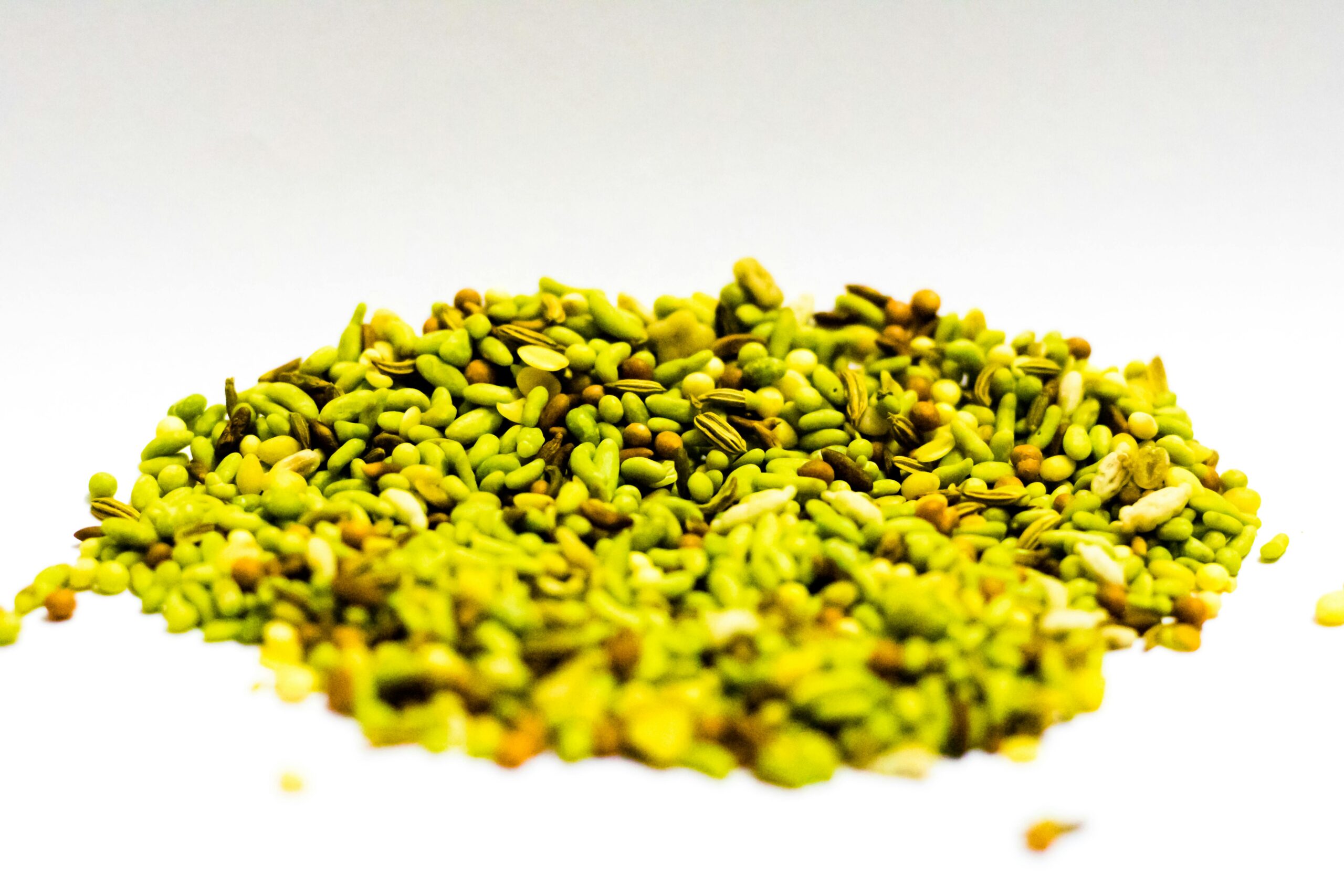
- Chew directly: After meals, chew 1/2 to 1 teaspoon of fennel seeds slowly. This is common practice in Indian cuisine and provides quick relief.
- Fennel tea: Crush 1-2 teaspoons of fennel seeds, add to 1 cup boiling water, steep for 10 minutes, strain, and drink.
Taste Profile: Fennel has a mild licorice-like flavor that most people find pleasant, though it’s an acquired taste for some.
Best For: After-meal bloating, gas, indigestion
4. Abdominal Massage (Physical Relief)
Why It Works: Gentle abdominal massage helps move gas through your intestines by stimulating peristalsis (the wave-like muscle contractions that move food through your digestive tract). It can provide immediate physical relief and is completely free with no ingredients needed.
How to Do It:
- Lie on your back or sit comfortably
- Place your hands on your lower right abdomen (near your hip)
- Using gentle but firm pressure, massage in a clockwise circular motion following the path of your colon
- Move up the right side, across below your ribs, and down the left side
- Repeat for 5-10 minutes
Pro Tip: Use a small amount of coconut oil or warming massage oil to reduce friction and enhance relaxation.
Best For: Immediate relief, constipation-related bloating, stress-induced digestive issues
5. Warm Lemon Water (The Morning Ritual)
Why It Works: Warm lemon water stimulates digestive enzyme production and promotes healthy bile flow, which aids in breaking down fats and preventing the sluggish digestion that leads to bloating. The warmth also helps relax digestive muscles, while lemon’s acidity can kickstart your digestive system.
How to Use It: Squeeze half a fresh lemon into 8-12 ounces of warm (not boiling) water. Drink it first thing in the morning on an empty stomach, at least 20-30 minutes before eating breakfast. You can also drink it between meals for digestive support.
Important: Use a straw to protect tooth enamel from lemon’s acidity, and rinse your mouth with plain water after drinking.
Best For: Morning bloating, sluggish digestion, prevention
6. Gentle Yoga Poses (Movement Medicine)

Why It Works: Specific yoga poses compress and massage your abdominal organs, helping to release trapped gas and stimulate healthy digestive function. Movement in general helps your body process food more efficiently and reduces the stagnation that leads to bloating.
Best Poses for Bloating:
Wind-Relieving Pose (Pawanmuktasana):
- Lie on your back, bring both knees to chest, hug them
- Gently rock side to side
- Hold for 30-60 seconds, breathing deeply
Cat-Cow Stretch:
- On hands and knees, alternate between arching back (cow) and rounding spine (cat)
- Repeat 10-15 times, coordinating with breath
Child’s Pose:
- Kneel, sit back on heels, fold forward with arms extended
- Gentle compression on abdomen aids digestion
- Hold for 1-3 minutes
When to Practice: Do these poses 1-2 hours after eating, not on a full stomach. Practice for 10-15 minutes when bloated or daily as prevention.
Best For: Gas pain, constipation-related bloating, stress relief
7. Probiotics (Long-Term Solution)
Why It Works: Probiotics are beneficial bacteria that support healthy digestion and can reduce bloating by balancing your gut microbiome. An imbalanced gut can lead to excessive gas production, poor nutrient absorption, and inflammation—all contributors to bloating. While probiotics take time to work (2-4 weeks), they address the root cause rather than just symptoms.
How to Use Them:
Food Sources (Preferred):
- Plain yogurt with live cultures (look for Lactobacillus and Bifidobacterium strains)
- Kefir (fermented milk drink)
- Sauerkraut (unpasteurized)
- Kimchi
- Kombucha (in moderation)
Supplement Form: If choosing supplements, look for multi-strain formulas with at least 10-50 billion CFUs (colony-forming units). Start with a lower dose and increase gradually to avoid initial bloating.
Important Note: Some people experience temporary increased bloating when starting probiotics as gut bacteria rebalance. This usually resolves within 1-2 weeks.
Best For: Chronic bloating, IBS, antibiotic recovery, long-term gut health
Quick Comparison: Which Remedy When?
For immediate relief (works within 15-30 minutes):
- Peppermint tea
- Abdominal massage
- Gentle yoga poses
For post-meal bloating:
- Ginger tea
- Fennel seeds
- Peppermint
For prevention:
- Warm lemon water (morning)
- Probiotics (daily)
- Regular yoga practice
For chronic/frequent bloating:
- Probiotics
- Combination approach (multiple remedies)
- Consider food sensitivities
Additional Tips for Preventing Bloating
Eat mindfully:
- Chew food thoroughly (20-30 times per bite)
- Eat slowly—meals should take at least 20 minutes
- Avoid talking while chewing to reduce air swallowing
Watch trigger foods:
- Common culprits: beans, cruciferous vegetables, carbonated drinks, artificial sweeteners, dairy (if lactose intolerant)
- Keep a food journal to identify your personal triggers
Stay hydrated:
- Drink 8-10 glasses of water daily
- Don’t drink large amounts with meals (sip instead)
Reduce salt intake:
- Excess sodium causes water retention and bloating
- Choose fresh foods over processed
Manage stress:
- Stress disrupts digestion and can cause bloating
- Practice deep breathing, meditation, or gentle exercise
When to See a Doctor
While these natural remedies are effective for occasional bloating, seek medical attention if you experience:
- Severe or persistent bloating lasting more than a few days
- Bloating accompanied by significant pain
- Unexplained weight loss
- Blood in stool
- Changes in bowel habits (severe constipation or diarrhea)
- Bloating that worsens progressively
These could indicate underlying conditions like IBS, SIBO, celiac disease, or other digestive disorders that require professional diagnosis and treatment.
Bloating doesn’t have to derail your day or force you to rely on medications. These seven natural remedies—from soothing ginger and peppermint teas to gentle abdominal massage and targeted yoga poses—offer safe, effective relief that works with your body’s natural processes. The best approach often combines multiple remedies: perhaps starting your day with warm lemon water, drinking ginger or peppermint tea after meals, and practicing a few yoga poses in the evening.
Remember that everyone’s body is different. What works wonderfully for one person might be less effective for another, so don’t be discouraged if the first remedy you try isn’t a perfect fit. Experiment with these options, pay attention to how your body responds, and you’ll discover your personal bloating-relief toolkit.
Start with one or two remedies that appeal to you most. Keep track of what works, and over time, you’ll develop an intuitive understanding of how to prevent and relieve bloating naturally.
What’s your go-to remedy for bloating? Have you tried any of these approaches? Share your experience in the comments below! And if you found this guide helpful, subscribe to our newsletter for more evidence-based natural remedies delivered to your inbox.