
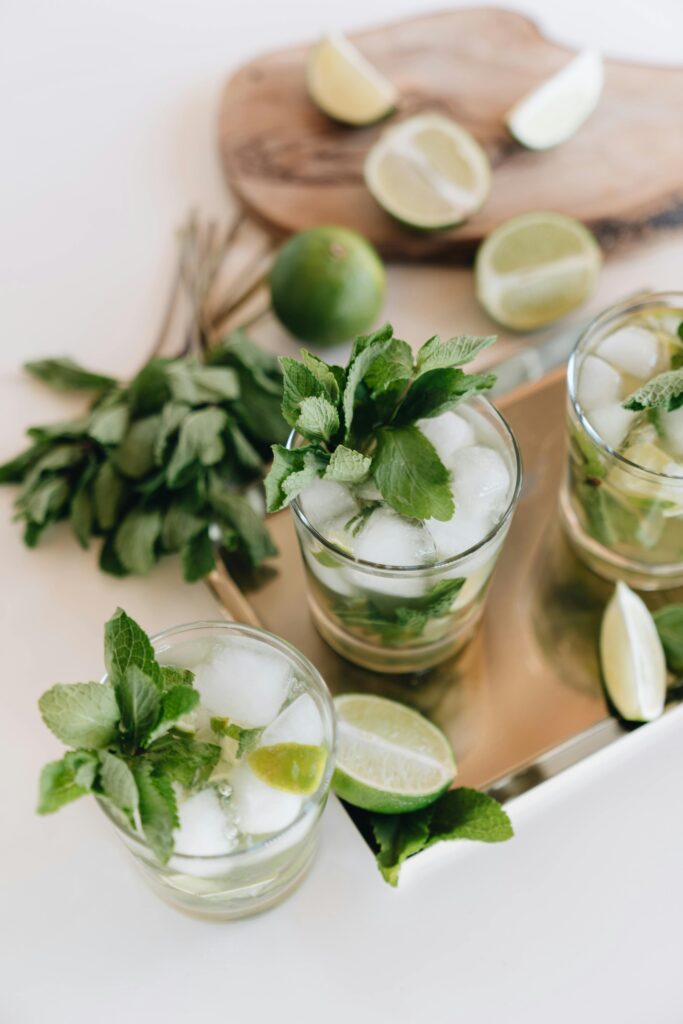
There's something wonderfully refreshing about a cup of peppermint tea—the cool, tingling sensation as you sip, the fresh aroma that seems to clear your mind, and the gentle warmth that soothes from the inside out. But peppermint tea benefits go far beyond its pleasant taste. This fragrant herbal tea has been used medicinally for thousands of years, and modern research confirms what traditional healers have long known: the benefits of drinking peppermint tea include real, measurable improvements for digestion, headaches, stress relief, and more.
Whether you're dealing with digestive discomfort, tension headaches, or simply need a calming moment in a stressful day, peppermint tea can help. The menthol in peppermint leaves acts as a natural muscle relaxant, anti-inflammatory, and even an antimicrobial agent. Unlike caffeinated teas, peppermint is naturally caffeine-free, making it perfect for any time of day or night.
In this comprehensive guide, you'll learn about the science-backed benefits of peppermint tea, how to make it properly with fresh or dried leaves, when to drink it for maximum effectiveness, and important precautions to keep in mind. Whether you're new to herbal teas or a longtime peppermint enthusiast, you'll discover practical tips to get the most from this healing herb.
Understanding Peppermint Tea
What Is Peppermint Tea?
Peppermint tea is an herbal infusion made from the leaves of the peppermint plant (Mentha × piperita), a natural hybrid of watermint and spearmint. Unlike true teas from the Camellia sinensis plant, peppermint tea is technically a tisane or herbal tea, which means it's naturally caffeine-free.
The distinctive cooling sensation and fresh flavor come from menthol, the primary active compound in peppermint. This compound, along with menthone, limonene, and other natural oils, gives peppermint its therapeutic properties. You can make peppermint tea from fresh leaves (which have a brighter, more delicate flavor) or dried leaves (which are more concentrated and store longer).
Peppermint has been cultivated for medicinal use since ancient times, appearing in Egyptian, Greek, and Roman medical texts. Today, it's one of the most widely consumed herbal teas in the world, valued both for its pleasant taste and genuine health benefits.
Peppermint Tea Benefits: What Science Says
1. Relieves Digestive Discomfort and IBS
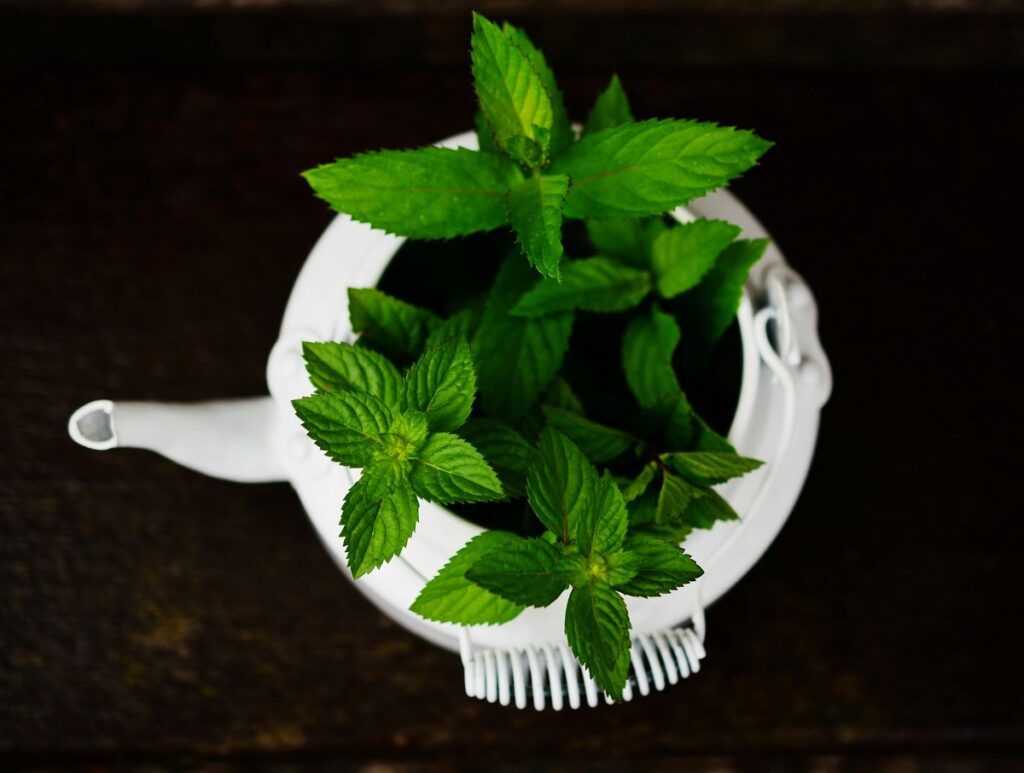
The Science: Peppermint's menthol content acts as a natural antispasmodic, meaning it relaxes the smooth muscles in your digestive tract. This helps ease cramping, reduce bloating, and allow trapped gas to pass more easily. Multiple studies have shown peppermint oil to be effective for irritable bowel syndrome (IBS), and while tea is less concentrated than oil capsules, it still provides meaningful relief.
What It Helps:
- Bloating and gas
- Stomach cramps
- Indigestion after meals
- IBS symptoms (especially IBS with cramping)
- Nausea
How It Works: The menthol relaxes the muscles in your intestinal walls, reducing spasms and allowing your digestive system to function more smoothly. It also stimulates bile flow, which helps your body digest fats more efficiently.
Best For: Post-meal digestive discomfort, IBS flare-ups, general bloating Bloating Relief
2. Eases Headaches and Migraines
The Science: Menthol has a natural cooling effect that can help relax tense muscles, including those in your head, neck, and shoulders. It also increases blood flow and provides a mild numbing sensation that can reduce pain perception. Some research suggests peppermint's aroma alone can help relieve tension headaches.
What It Helps:
- Tension headaches
- Migraine symptoms
- Sinus headaches
- Stress-related head pain
How to Use: Drink a cup of strong peppermint tea at the first sign of a headache. Inhale the steam deeply as you sip—the aromatic compounds entering through your nasal passages provide additional relief. Some people also find benefit in applying cooled peppermint tea compresses to their forehead and temples.
Best For: Tension headaches, stress headaches, mild migraines
3. Supports Respiratory Health
The Science: Menthol acts as a natural decongestant and expectorant, helping to break up mucus and open airways. While peppermint tea won't cure a cold, it can provide real relief from congestion, sinus pressure, and cough symptoms.
What It Helps:
- Nasal congestion
- Sinus pressure
- Chest congestion
- Cough
- Seasonal allergies
How It Works: The menthol creates a cooling sensation in your nasal passages that makes breathing feel easier. It also has mild antimicrobial properties that may help your body fight respiratory infections. Inhaling the steam while drinking provides additional decongestant benefits.
Best Timing: Drink hot during colds, allergies, or sinus issues. The hotter the better for respiratory benefits—the steam is key.
4. Reduces Stress and Improves Mental Focus
The Science: Peppermint's refreshing aroma has been shown in studies to reduce stress, improve alertness, and enhance cognitive performance. The act of sipping a warm cup of tea is calming in itself, but peppermint adds specific benefits through its effect on neurotransmitters and its ability to reduce fatigue.
What It Helps:
- Mental fatigue
- Stress and anxiety
- Difficulty concentrating
- Afternoon energy slumps
- Overwhelm
How It Works: The menthol aroma stimulates the hippocampus area of your brain, which controls mental clarity and focus. Peppermint also has mild mood-elevating properties and the ritual of tea-drinking activates your parasympathetic nervous system (rest and digest mode).
Best Timing: Mid-afternoon for a caffeine-free energy boost, or evening to wind down after a stressful day.
5. Freshens Breath and Supports Oral Health
The Science: Peppermint's antimicrobial properties make it effective against the bacteria that cause bad breath and tooth decay. The menthol also provides an immediate fresh, clean feeling in your mouth.
What It Helps:
- Bad breath (halitosis)
- Mouth bacteria
- Post-meal freshness
- Morning breath
How It Works: The antibacterial compounds in peppermint help reduce the bacteria responsible for plaque formation and bad odors. While it's not a replacement for brushing and flossing, it's a helpful addition to oral hygiene.
Pro Tip: Swish peppermint tea in your mouth for 30 seconds before swallowing for maximum oral health benefits.
6. May Help With Sleep Quality
The Science: While peppermint is energizing for some people, many find it helps them sleep better because it's caffeine-free, eases digestive discomfort that might disturb sleep, and has calming, muscle-relaxing properties.
What It Helps:
- Difficulty falling asleep due to indigestion
- Restless sleep from digestive issues
- Nighttime tension and stress
- Need for a soothing bedtime ritual
How It Works: By relaxing your digestive muscles and reducing any bloating or discomfort, peppermint tea removes common barriers to good sleep. The ritual of sipping warm tea also signals your body it's time to wind down.
Best Timing: 30-60 minutes before bed. Pair with chamomile for even stronger sleep support.
Note: Some people find peppermint slightly energizing. If you're one of them, stick to morning or afternoon consumption.
7. Supports Immune Function
The Science: Peppermint contains antioxidants and has antibacterial, antiviral, and anti-inflammatory properties that support your immune system. While it won't prevent illness, it can help your body fight infections more effectively.
What It Helps:
- Common cold symptoms
- Seasonal immune support
- Fighting bacterial infections
- Reducing inflammation
How It Works: The rosmarinic acid and other antioxidants in peppermint help protect your cells from damage and support immune cell function. The antimicrobial compounds fight pathogens directly.
Best Timing: Daily during cold and flu season, or at the first sign of illness.
How to Make Peppermint Tea (The Right Way)
The quality and preparation of your peppermint tea significantly affects both flavor and therapeutic benefits. Here's how to make it perfectly.
Method 1: Fresh Peppermint Tea (Best Flavor)
What You Need:
- 10-12 fresh peppermint leaves (about 1/4 cup loosely packed)
- 2 cups water
- Optional: honey, lemon
Instructions:
- Rinse the leaves under cool water to remove any dirt
- Gently bruise the leaves by rubbing them between your palms or muddling lightly with a spoon. This releases the essential oils.
- Boil water and let it cool for 1-2 minutes (optimal temperature: 200°F/93°C—boiling water can make the tea bitter)
- Place leaves in a teapot or mug and pour hot water over them
- Steep for 5-7 minutes
- 5 minutes: lighter, more delicate flavor
- 7 minutes: stronger, more medicinal strength
- Don't steep longer than 10 minutes or it becomes bitter
- Strain and serve Add honey or lemon if desired
Taste Profile: Fresh peppermint tea has a bright, clean, slightly sweet flavor with a cooling aftertaste.
Method 2: Dried Peppermint Tea (More Concentrated)
What You Need:
- 1-2 teaspoons dried peppermint leaves
- 1 cup water
- Optional: honey, lemon
Instructions:
- Boil water and let cool slightly (200°F/93°C)
- Add dried peppermint to a tea infuser, strainer, or directly to your mug
- Pour water over leaves and cover (this traps the aromatic oils)
- Steep for 5-10 minutes
- Dried leaves are more concentrated, so even 5 minutes produces strong tea
- For medicinal purposes, steep the full 10 minutes
- Strain and enjoy
Taste Profile: Dried peppermint has a more intense, concentrated minty flavor with stronger cooling sensation.
Method 3: Peppermint Tea Bags (Most Convenient)
Instructions:
- Use 1 tea bag per cup
- Steep in just-off-boiling water for 5-7 minutes
- Squeeze the bag gently before removing to extract maximum flavor
Quality Tip: Choose organic peppermint tea bags from reputable brands (Traditional Medicinals, Pukka, Celestial Seasonings) for best quality and flavor.
Flavor Variations to Try
Peppermint-Ginger Tea: Add 3-4 slices of fresh ginger while steeping for enhanced digestive benefits. Ginger Tea for Digestive Relief
Peppermint-Chamomile Tea: Combine equal parts peppermint and chamomile for a soothing bedtime blend
Peppermint-Lemon Tea: Add fresh lemon juice and zest for vitamin C boost and brighter flavor
Iced Peppermint Tea: Brew double-strength, let cool, pour over ice with fresh mint sprigs and lemon
Moroccan Mint Tea: Add a pinch of green tea and sweeten with honey for traditional Moroccan-style mint tea
When to Drink Peppermint Tea for Best Results
Morning (7-9 AM):
- For mental clarity and focus
- To stimulate digestion before breakfast
- As a caffeine-free wake-up alternative
After Meals (within 30 minutes):
- To prevent bloating and indigestion
- To freshen breath
- To aid fat digestion
Afternoon (2-4 PM):
- For a caffeine-free energy boost
- To combat afternoon mental fatigue
- To curb sweet cravings
Evening (30-60 minutes before bed):
- To ease digestive discomfort
- To create a relaxing bedtime ritual
- Pair with chamomile for sleep support
As Needed:
- At first sign of headache
- During cold/flu for respiratory relief
- When experiencing digestive upset
- During stressful moments
How Much Peppermint Tea Should You Drink?
Safe Amount: 2-3 cups per day for most adults
For Specific Benefits:
- Digestive health: 1 cup after each main meal (3 cups/day)
- Headache relief: 1-2 cups as needed when symptoms appear
- General wellness: 1-2 cups daily
- Cold/flu support: Up to 4 cups daily during illness
Duration: Peppermint tea is safe for long-term daily consumption for most people.
Peppermint Tea Safety and Precautions
Important Safety Precautions and Side Effects
While peppermint tea is generally very safe, there are some important considerations:
Avoid or Limit Peppermint Tea If You Have:
GERD or Acid Reflux: Peppermint relaxes the lower esophageal sphincter (the muscle between your stomach and esophagus), which can worsen heartburn and reflux symptoms. If you have these conditions, peppermint tea may make them worse.
Hiatal Hernia: Similar to GERD, peppermint can exacerbate symptoms.
Gallstones: Peppermint stimulates bile flow, which could trigger a gallbladder attack if you have gallstones. Consult your doctor first.
Pregnancy and Breastfeeding: While moderate amounts are generally considered safe, peppermint in large quantities may reduce milk supply in breastfeeding mothers. Pregnant women should consult their healthcare provider, especially in the first trimester.
Taking Certain Medications:
- Blood pressure medications (peppermint may enhance their effects)
- Diabetes medications (may affect blood sugar)
- Cyclosporine (immune suppressant)
Allergies: If you're allergic to menthol or other mints, avoid peppermint tea.
Possible Side Effects (Rare):
Most people tolerate peppermint tea very well, but some may experience:
- Heartburn or worsened reflux
- Allergic reactions (rash, difficulty breathing—stop immediately if this occurs)
- Anal burning if consuming very large amounts
If you experience any adverse effects, stop drinking peppermint tea and consult your healthcare provider.
Peppermint Tea vs. Peppermint Oil: What's the Difference?
Peppermint Tea:
- Made by steeping leaves in hot water
- Mild to moderate strength
- Safe for most people
- No dosage precision needed
- Great for overall wellness
Peppermint Oil Capsules:
- Highly concentrated extract
- Much stronger therapeutic effect
- Requires specific dosing
- Should be enteric-coated (releases in intestines, not stomach)
- Better for chronic IBS
Bottom Line: Peppermint tea is perfect for general digestive support and overall wellness. For more severe IBS or specific medical uses, peppermint oil capsules (under medical supervision) may be more effective.
Buying, Storing, and Growing Peppermint
Tips for Buying and Storing Peppermint
Buying Fresh Peppermint:
- Look for bright green leaves without brown spots
- Should smell strongly minty when you touch the leaves
- Buy organic when possible (less pesticide exposure)
- Available in grocery stores year-round
- Can grow your own easily in pots or gardens
Buying Dried Peppermint:
- Choose organic, loose-leaf tea for best quality
- Check expiration dates
- Should smell strongly aromatic when you open the package
- Avoid dusty or discolored leaves
Storage:
- Fresh: Wrap stems in damp paper towel, store in plastic bag in refrigerator (lasts 5-7 days)
- Dried: Store in airtight container in cool, dark place (lasts 1-2 years but best within 6 months)
- Tea bags: Keep in original packaging, away from moisture and strong odors
Growing Your Own Peppermint
Top 10 Medicinal Plants for Your Backyard: The Best for Digestive Health
Discover The 10 Medicinal Plants You should Have in Your Backyard with
The Most Powerful Plant for a Healthy Digestive System
Why Grow Your Own:
- Always have fresh leaves available
- Cost-effective
- No pesticides
- Peppermint is extremely easy to grow
Quick Growing Guide:
- Peppermint grows aggressively—plant in containers to control spread
- Prefers partial shade but tolerates sun
- Keep soil consistently moist
- Harvest leaves anytime, best just before flowering
- Cut back regularly to promote bushy growth
- Perennial in most climates (comes back each year)
Harvesting: Cut stems in the morning after dew dries. Use fresh or hang upside down in bundles to dry.
Peppermint Tea FAQs
Frequently Asked Questions
Can I drink peppermint tea every day? Yes, 2-3 cups daily is safe for most people and can provide ongoing digestive and wellness benefits.
Is peppermint tea safe during pregnancy? In moderation, yes, but consult your healthcare provider, especially in the first trimester. Large amounts may stimulate menstruation.
Can children drink peppermint tea? Yes, but in smaller amounts. Half a cup for young children is appropriate. Always check with a pediatrician for children under 2.
Will peppermint tea help me lose weight? Peppermint tea may help by reducing cravings, supporting digestion, and providing a calorie-free beverage option, but it's not a weight-loss solution on its own.
Can I drink peppermint tea if I have acid reflux? Generally no—peppermint often worsens acid reflux symptoms. Try chamomile or ginger instead.
How long does brewed peppermint tea last? Refrigerate leftover tea in an airtight container for up to 3 days. Reheat or enjoy iced.
Does peppermint tea have caffeine? No, peppermint tea is naturally caffeine-free.
Conclusion
Peppermint tea is far more than just a refreshing beverage—it's a versatile natural remedy backed by both centuries of traditional use and modern scientific research. Whether you're sipping it to ease digestive discomfort, relieve a tension headache, clear congestion, or simply enjoy a calming moment in your day, peppermint tea delivers real benefits in every cup.
The beauty of peppermint tea lies in its simplicity. With just fresh or dried leaves and hot water, you can create a soothing, therapeutic drink that costs pennies per cup and contains no artificial ingredients, caffeine, or added sugars. It's gentle enough for daily use yet powerful enough to provide meaningful relief when you need it most.
Start with one cup a day—perhaps after lunch to support digestion—and notice how you feel. Experiment with the timing, strength, and flavor combinations that work best for you. Keep in mind the safety precautions, especially if you have acid reflux, and listen to your body's response.
Have you tried peppermint tea? What benefits have you noticed? Share your favorite ways to enjoy peppermint in the comments below! And if you're interested in other healing herbal teas, check out our guides on [ginger tea for digestive relief] and [natural remedies for bloating].
Subscribe to our newsletter for more evidence-based natural remedy guides delivered straight to your inbox every week.